
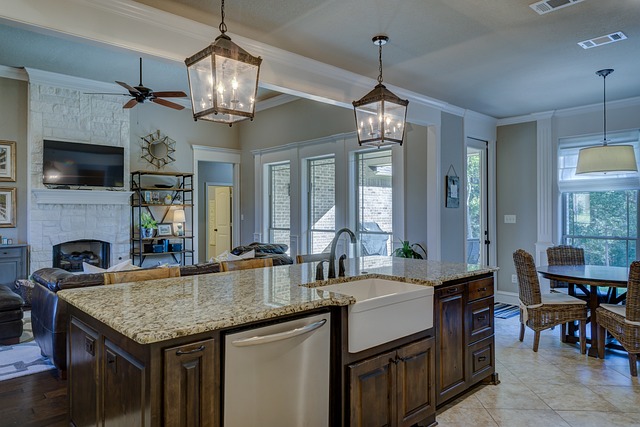
Open concept homes have become a defining feature of modern residential design. By removing walls and blending kitchens, dining areas, and living spaces, these layouts promise openness, flexibility, and natural light. While they can be visually appealing and great for entertaining, open concept homes also come with a set of unexpected issues that homeowners don’t always anticipate. Understanding these challenges can help prevent costly surprises down the road.
Structural Considerations
One of the most significant concerns in open layouts is structural support. When walls are removed, the loads they once carried must be redistributed. This often requires beams, columns, or engineered supports. Over time, if these elements are undersized or improperly installed, signs such as sagging ceilings, cracks in drywall, or uneven floors may appear. These issues aren’t always cosmetic—they can indicate stress on the home’s framing system.
Noise and Privacy Issues
Open spaces allow sound to travel freely. Conversations, televisions, kitchen appliances, and even footsteps can echo throughout the home. While this may not seem like a major issue initially, it can become frustrating for households with different schedules or work-from-home needs. Privacy is also limited. Without walls to create separation, it’s harder to find quiet areas for focused tasks or personal downtime.
Heating, Cooling, and Energy Efficiency
Temperature control can be more difficult in open concept homes. Large, uninterrupted spaces often have uneven heating and cooling, especially in regions with long, hot summers or fluctuating temperatures. Warm air rises, and without barriers, conditioned air may not circulate as efficiently. This can lead to higher energy bills and rooms that never quite feel comfortable, even when the HVAC system is working properly.
Kitchen Impacts
In an open layout, the kitchen becomes part of the main living space. Cooking odors, grease, and moisture can easily spread throughout the home. Without adequate ventilation, this can affect indoor air quality and contribute to residue buildup on surfaces well beyond the kitchen. Noise from dishwashers and range hoods also becomes more noticeable.
Maintenance and Aging Concerns
Open concept homes often rely on consistent finishes across large areas—flooring, paint, and ceiling textures are typically continuous. This can make repairs more complicated. Damage in one section may require blending or replacing materials across a wider area to maintain a uniform appearance. As homes age, this can increase maintenance costs and complexity.
Final Thoughts
Open concept homes offer clear advantages, but they are not without trade-offs. Structural integrity, comfort, acoustics, and long-term maintenance all deserve careful consideration. For homeowners and buyers alike, understanding how these layouts perform over time can make a meaningful difference in both satisfaction and investment protection. A thoughtful evaluation of these factors helps ensure that open spaces remain an asset rather than a hidden liability.

